Recipes
Venison Schnitzel with Sautéed Seasonal Mushrooms and Wild Blueberry Reduction
It’s important to represent an omnivorous diet, since I am an omnivore. As such, I participate as intimately as possible in the process of animal harvest, including hunting. I think so many of us would eat far less meat if we were more involved, more aware and understood the connection certain animals have played in our evolution as a species.
Hunting was a way for me to connect with nature in a different way than foraging. It also included a familial wisdom that was passed down from my father, as it has been for many youngsters for thousands of years. This dish represents two of my totem animals and the ones I have learned so much from here in the northeast: deer and bear.
While I focus on a plant-forward diet, I try to make the best choices when it comes to animal products. I have no problem with meat and dairy. What I do have a problem with is industrial meat, which is inhumane, unhealthy and horrible for the environment.
If more of us took up this pursuit, or we relied more heavily on wild harvest for our animal products, we would quickly correct some of the biggest challenges in our food system, our personal health and our relationship with the natural world.
This dish embodies the fall season in the northeast so perfectly. I absolutely love the combination of venison and acorn flour, as this is a food for whitetail deer, and where many hunters focus their attention during the fall hunting season.
In fact, harkening all the way back to at least the first century BC, breaded and fried meats have been a mainstay in European cuisine since time immemorial.
The addition of wild mushrooms helps set off the earthy nuttiness of the flour and acorn fed venison and bear fat. The blueberry and maple add a splash of color and sweetness that brings the whole dish together and gives a deep connection to fall in the Northeast.
Ingredients
- 48 oz of wild venison loin or backstrap (substitute free range beef, bison, or elk filet or backstrap)
- 8 oz of rendered bear fat (substitute organic, free range beef tallow or similar cooking oil)
- 20 oz of wild or organic cultivated seasonal mushroom (maitake, oyster, sulfur shelf)
- 2 cups of acorn flour (substitute organic almond or organic all-purpose wheat flour)
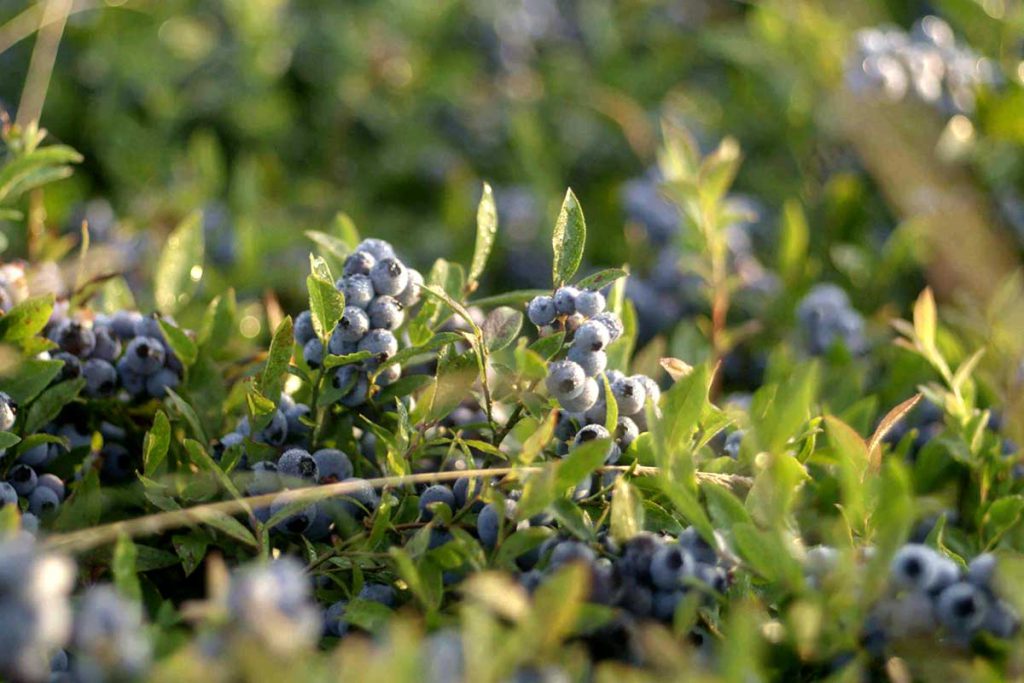
- 1 cup of wild blueberries (substitute wild blackberries or grapes)
- 6 oz of Vermont pure maple syrup
- 1 or 2 eggs
Optional: organic farrow, wild rice, or any grain of choice
Optional: Dried herbs or aromatics (Italian medley or sage and cumin work great).
Instructions
- Cut the venison loin into 1-inch-thick cutlets and spread them out on a cutting board. Pound each of them out with a meat tenderizer or mallet until 1/8 inch thick or thinner.
- Separate egg whites into a large mixing bowl, add a splash of water, and beat until frothy. Egg whites will ensure an airy crust to the acorn flour, while using the whole egg will create a heartier crust. Set aside the acorn flour in a separate large mixing bowl. Add a few pinches of dried herbs and salt and pepper if you like. You can really play with the flour as this will create that classic crust of the schnitzel and is pretty hard to screw up, as long as everything is dry.Optional: If you are adding a starch or grain to the base of this recipe, start it at this phase of the cook. Farrow and wild rice take about the same amount of time to cook, about 40 minutes. Add 1 ½ cups water to 1 cup grain. Bring water to a boil, add pre-soaked grain, return to a boil, lower the heat to simmer for 40 minutes with the lid askew, but still partially covering the pot.
- In a large cast iron skillet, melt about 4 oz of rendered bear fat over medium heat. While that is coming to temperature, dunk the tenderized venison loins in the egg wash, then dredge them in the acorn flour. Make sure to get a healthy coating over both sides of each tenderized loin. Then drop into the now-hot oil in the skillet (you will know the oil is ready when it pops if you flick it with a bit of water). Because they are so thin, the schnitzel will cook quickly, so about 4 minutes a side.
- While they are frying, add the blueberries (or selected fruit), maple syrup, and a tablespoon of oil to a separate skillet. Bring it to medium-low heat. You can begin crushing the fruit as it comes to temperature with a fork or spatula, but I like to keep it rough. If you prefer a more refined sauce, you can add a pinch of acorn flour, macerate the berries as fine as you can, (food processor or blender is not cheating) and pass them through a sieve or strainer to remove the skins and thicken the sauce. Set aside for garnish.
- As the schnitzel finishes, plate over a bed of your selected grain (optional) and in the same pan you cooked the venison, add the mushrooms with a bit more oil. I suggest shredding maitake or oysters into individual fronds, keeping them large enough to provide a range of textures for cooking. You can add garlic, salt and pepper to taste, or just let the mushrooms pick up that lovely flavor of the drippings alone. When the edges of the mushrooms become crispy, they are done.
- Cutting into long strips is fine too and will give a much more even cook in the oil and the schnitzel’s drippings. If you do use sulfur shelf (chicken of the woods), I definitely recommend slicing it into thin strips due to the timing to make this particular mushroom tender. You only need about five minutes for this.
- While you are frying the mushrooms, drizzle your wild berry sauce over the schnitzel and grain bed. Finish by adding the crispy mushrooms as a side or garnish. You can also add chives, parsley, or a lemon wedge for a more refined service. This is a dish that can be dressed up for a dinner party or dressed down for a campfire meal of some magnificence.
Make sure you have a view of the sky while enjoying this dish, and revel in the cyclical, seasonal elegance of wild foods and the abundance of nature!
I always take a quiet moment to reflect when eating wild game, cultivating gratitude for the sacrifice and offering the animal has made for my sustenance. Visions and emotions of the hunt may flood back to you. This is a very good thing and creates that deep, cellular connection to our food.